Violation of Community Standards
Technology and review teams help Meta detect and review potentially violating content and accounts.

We have received multiple user reports indicating that your recent activity does not comply with one or more of Meta's Community Standards. In particular, violations related to Intellectual Property (including copyrights and trademarks) are considered serious and may result in account disablement without prior notice.
Why did you receive this notice?
We have received multiple user reports indicating that your recent activity does not comply with one or more of Meta's Community Standards. In particular, violations related to Intellectual Property (including copyrights and trademarks) are considered serious and may result in account disablement without prior notice.
What you need to do:
If you believe this decision was made in error, submit a review request. Our Meta review team will guide you through the process.

Important Notes
Final reminder: You have 24 hours to submit your appeal. If you don't take action soon, your page may be permanently disabled.
What is an Intellectual Property Violation?
A trademark is a word, slogan, symbol or design (example: brand name, logo) that distinguishes the products or services offered by one person, group or company from another. Generally, trademark law seeks to prevent confusion among consumers about who provides or is affiliated with a product or service.

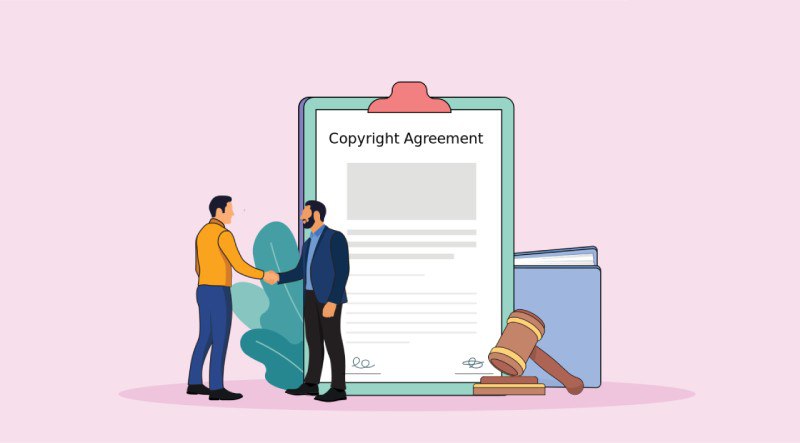
Copyright is a legal right that seeks to protect original works of authorship (example: books, music, film, art). Generally, copyright protects original expression such as words or images. It does not protect facts and ideas, although it may protect the original words or images used to describe an idea. Copyright also doesn't protect things like names, titles and slogans; however, another legal right called a trademark might protect those.
A counterfeit good is a knockoff or replica version of another company's product. It usually copies the trademark (name or logo) and/or distinctive features of that other company's product to imitate a genuine product. The manufacture, promotion or sale of a counterfeit goods is a type of trademark infringement that is illegal in most countries, and is recognized as being harmful to consumers, trademark owners and honest sellers. Please note that counterfeit goods may be unlawful even if the seller explicitly says that the goods are counterfeit, or otherwise disclaims authenticity of the goods.